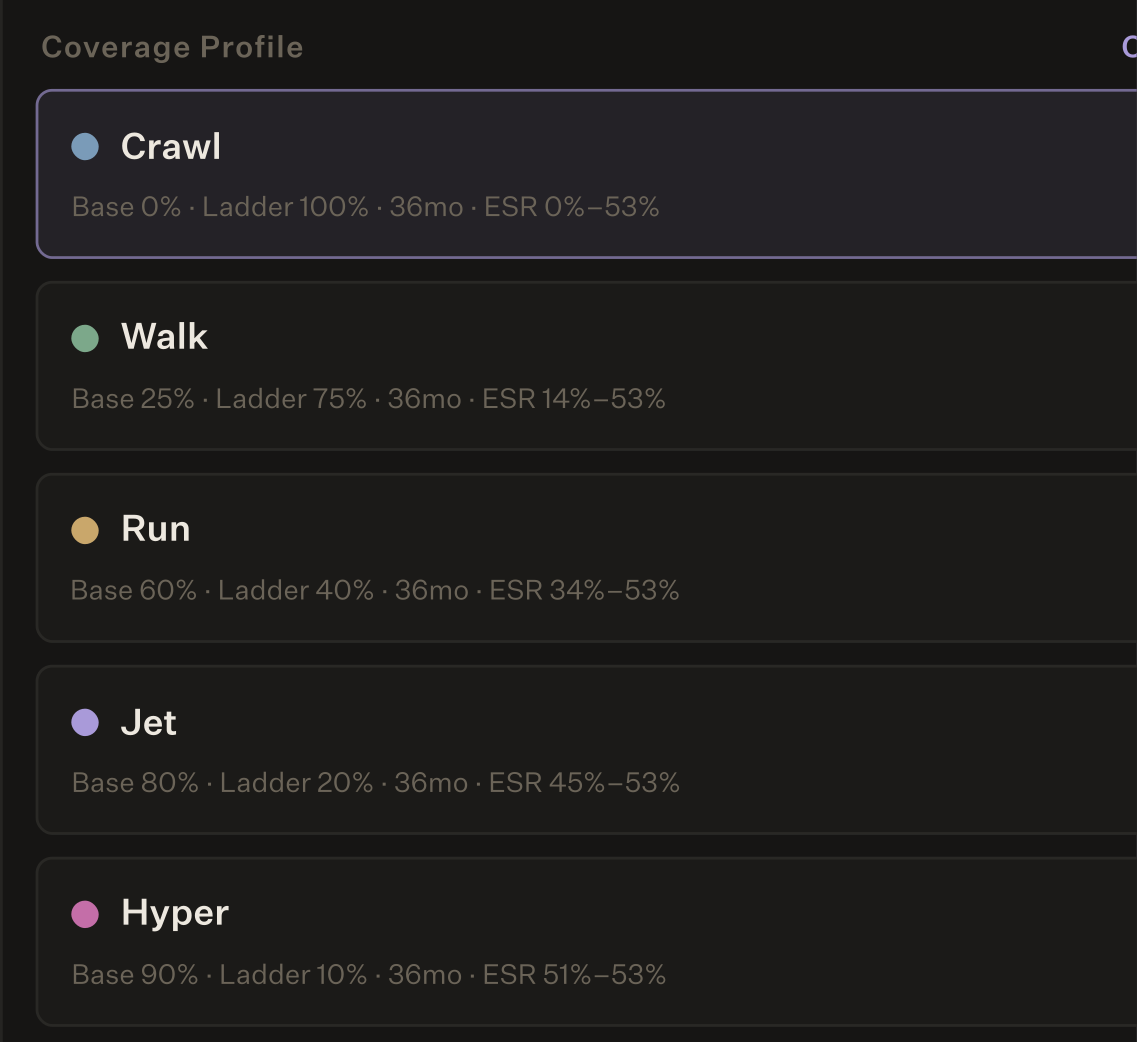
Choose a risk profile for how aggressive commitment purchasing should be.

AI that buys your reserved instances and savings plans for you, in the background.
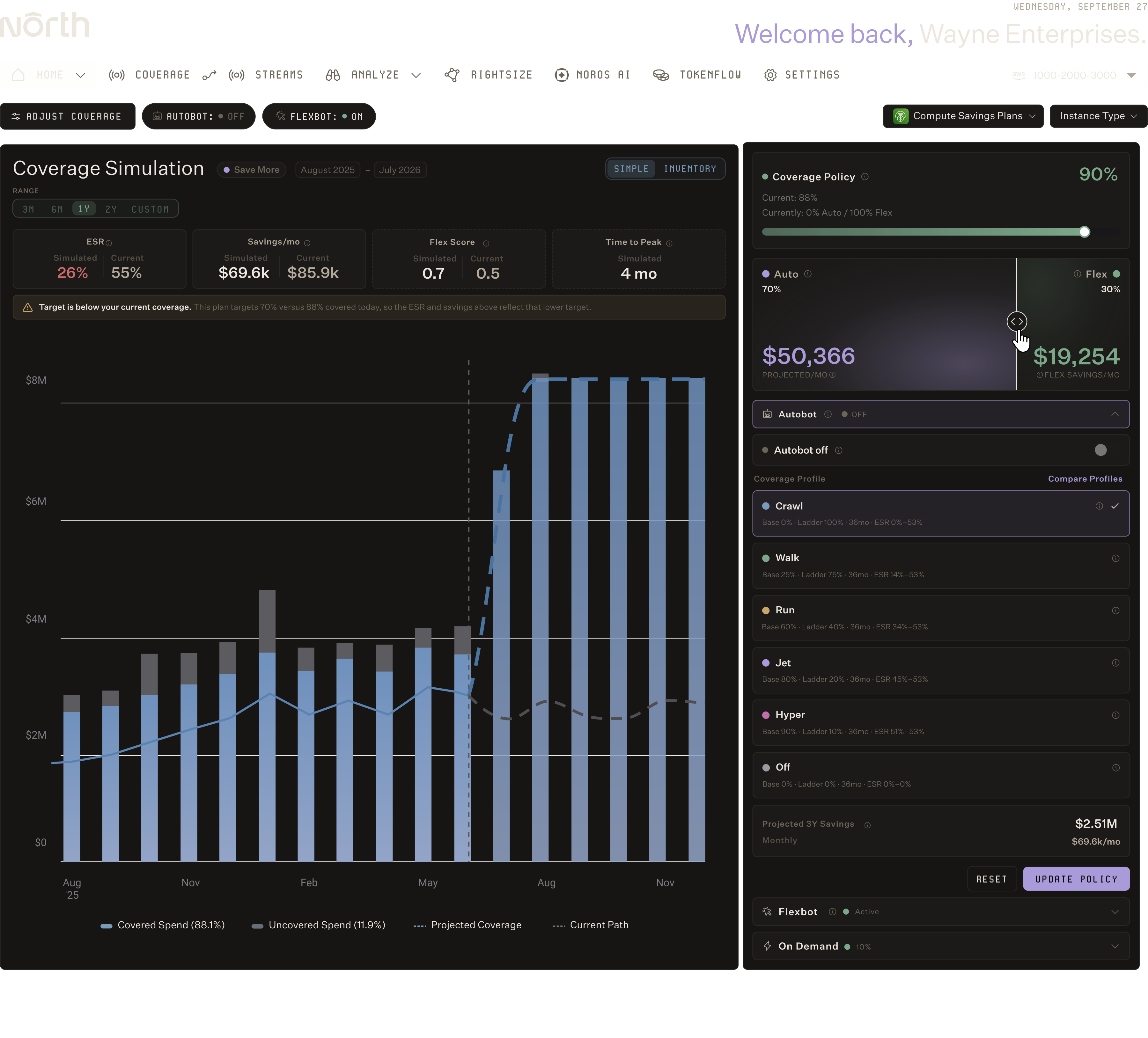
North’s AI runs your commitment procurement continuously, so your team stops spending days every quarter modeling, forecasting, and chasing approvals. Set your business goals once. North handles the rest.
FT. 01
Automated
rate optimization
Laddered coverage done intelligently
01
01
40+ hours
returned to your team every quarter (skip the commitment review)
02
02
5-7 Months
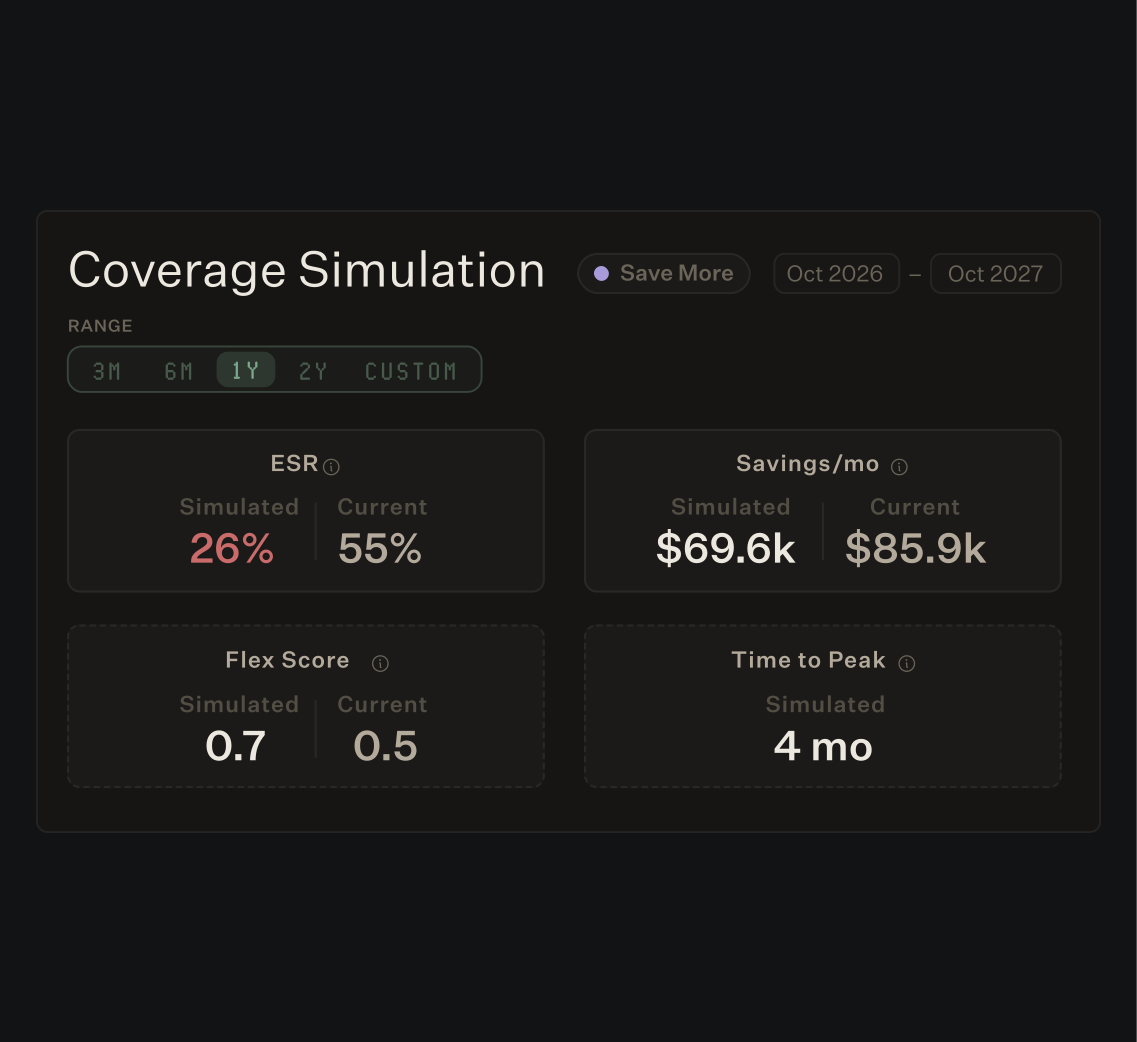
Time to peak savings (with automated renewal management)
03
03
36 months
of coverage simulated up front (see the strategy before any commitment)

The strategy that finance teams build by hand
Commitment laddering staggers your cloud commitments across overlapping terms, so you never face a coverage cliff or a single renewal date. Most teams know they should do it. Few have the time. North’s AI system runs the strategy automatically, with every purchase laddered to balance savings and flexibility.
0.01
Use Cases
Your goals, AI adjusts
Change your business goals anytime, the AI reacts
You tell North how aggressive to be, whether flexibility or max savings matters more, and how you expect your environment to change. North picks from a library of commitment architectures, runs simulations against your goals, and shows what the strategy will produce before anything executes. Change anytime, and the system adjusts with you.
01
Risk profile
02
Predict
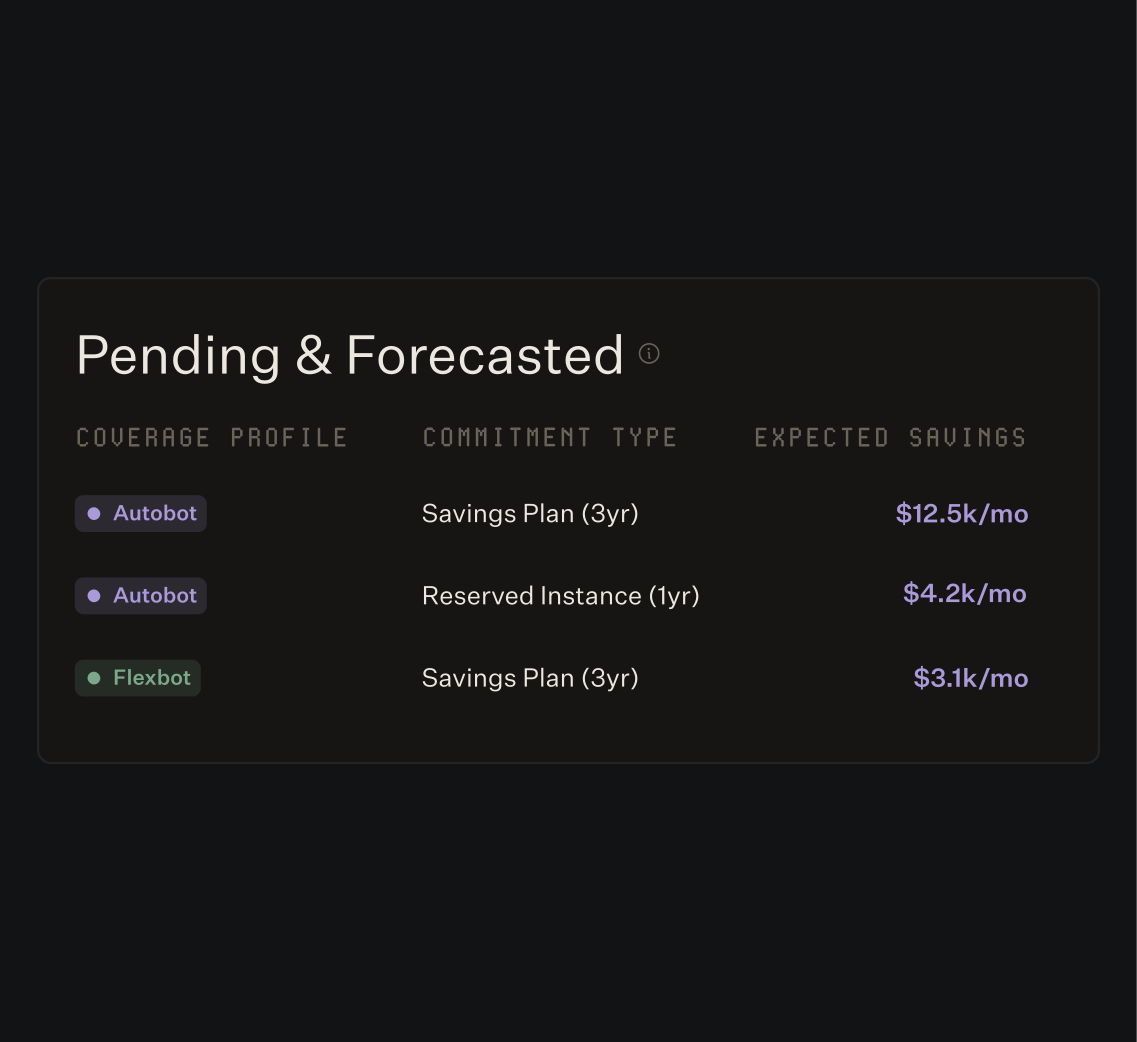
Preview that profile's projected savings and time to peak before anything buys.
03
Verify first
Verify the math before any commitment is made
0.02
Use Cases
Adapts as you scale
Laddered commitment purchases that adapt as you scale
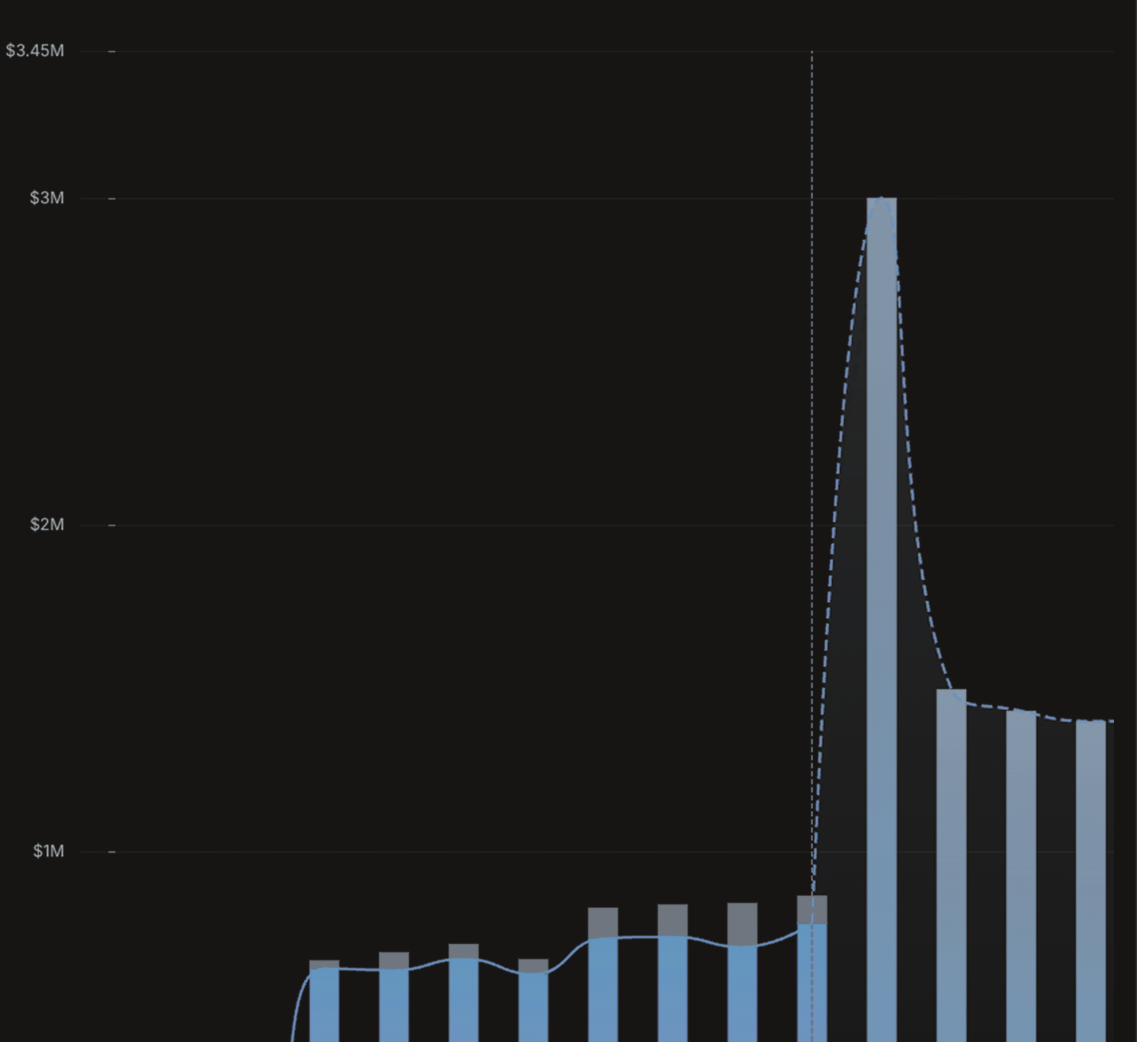
North stages commitment purchases in monthly chunks rather than one large up-front buy. The ladder builds up, you get rolling renewal windows, and coverage adjusts as your usage shifts. If a workload retires, upcoming purchases pause, and renewals lapse. If usage grows, more coverage layers in at the next tier.
01
Rolling renewals
Monthly purchases that build a rolling renewal window, improving net savings without sacrificing downscale flexibility.
02
Scales with usage
Coverage that scales up and back down with your usage.
03
No over-buying
No over-purchasing during seasonal dips.
0.03
Use Cases
Save more, pay less.
One automation fee covers it all, no hidden savings cut.
North charges a small percentage of what we automate, with no savings fee on top. Your team gets the discounts, the hours back from skipping quarterly commitment reviews, and a procurement engine that runs continuously in the background.
01
Automation fee only
A small portion of what’s automated, never a cut of your savings.
02
Hours back
Hours returned to finance and engineering every quarter.
03
Pair with Flexbot
Pair with North’s Flexbot for fully managed, risk-free commitment coverage.
One strategy, every team
For Engineering
Stop scheduling quarterly commitment reviews. Coverage stays high as workloads scale, migrate, and retire.
For Finance
Predictable savings, predictable terms. Every commitment purchase is documented, approval-gated if you want it, and visible on your books.
For resellers
Bring automated commitment management to every client account you manage. Each customer activates it in their own environment, clients own the contracts, and North runs the strategy.
Their Savings Their Words

Just try it, it's easy to adopt and the value is immediate. You will regret not using it sooner.”
North took 5 minutes to setup and showed me we could save 40%. To this day, it's the fastest & clearest demo of ROI I have ever seen in business.”
The flexibility and ease of integration really stood out. If someone told me from the start it would be this easy to try, use, and save, I wouldn’t have believed them. But it is. And the savings are real.”

Stop spending weeks on commitment management
FAQs
Frequently asked questions about North's Autobot and automated rate optimization.
What is Autobot?
Autobot is North's automated commitment engine. It buys reserved instances and savings plans directly in your own cloud account, in monthly increments, based on daily usage and the goals you set.
How do you manage reserved instances effectively?
Buy in smaller, more frequent increments instead of one large purchase, and size each one against recent usage instead of a quarterly forecast.
North’s Autobot automates that discipline, laddering monthly purchases so one bad forecast never puts much coverage at risk.
Is there a savings plan automation option without lock-in?
Yes, savings plan automation without lock-in exists, and different tools take different approaches to it. With North, that's Flexbot: North holds the commitment itself, so there's no lock-in on your side at all. Autobot is North's other approach: it still buys in your own account, in small monthly increments instead of one large commitment, which lowers the risk without removing it. Run either one alone, or split your environment between the two.
What happens if my usage drops after North’s Autobot buys a commitment?
Future purchases pause, and coverage that's no longer needed rolls off as renewals lapse. North’s Autobot sizes every new purchase against current usage, so a drop shrinks what it buys next, not what you already own.
What's the difference between North’s Autobot and Flexbot?
Autobot buys commitments in your own account, in monthly increments, so you own the coverage. Flexbot holds commitments in North's accounts instead, with no lock-in on your side. See the full comparison on North's Coverage page.
How much can I save with automated commitment laddering?
Automated commitment laddering typically saves as much as a large upfront commitment would, without the same risk of overcommitting, since purchases scale with actual usage instead of a single forecast. The exact number depends on your usage and how aggressive the laddering is.
North.cloud customers see average compute savings of 55% on AWS, 35% on GCP, and up to 65% on Azure across Coverage. With Autobot specifically, you see that projected number simulated against your own environment before anything is purchased, typically reaching time to peak in 5 to 7 months.